Thermal Expansion Vessels

Thermal Expansion vessels provide a place for the liquid when the volume of the liquid in the system is increased by temperature, this is called Thermal Expansion.

Piston Type Thermal Expansion Product Range

Thermal Expansion vessels provide a place for the liquid when the volume of the liquid in the system is increased by temperature, this is called Thermal Expansion.
Left unchecked thermal expansion can cause pipes to fracture valves and to fail if there is no extra space for the expanded liquid to go. Once the temperature has dropped and the liquid volume has reduced the unit will revert back to its normal state ready for the next cycle.

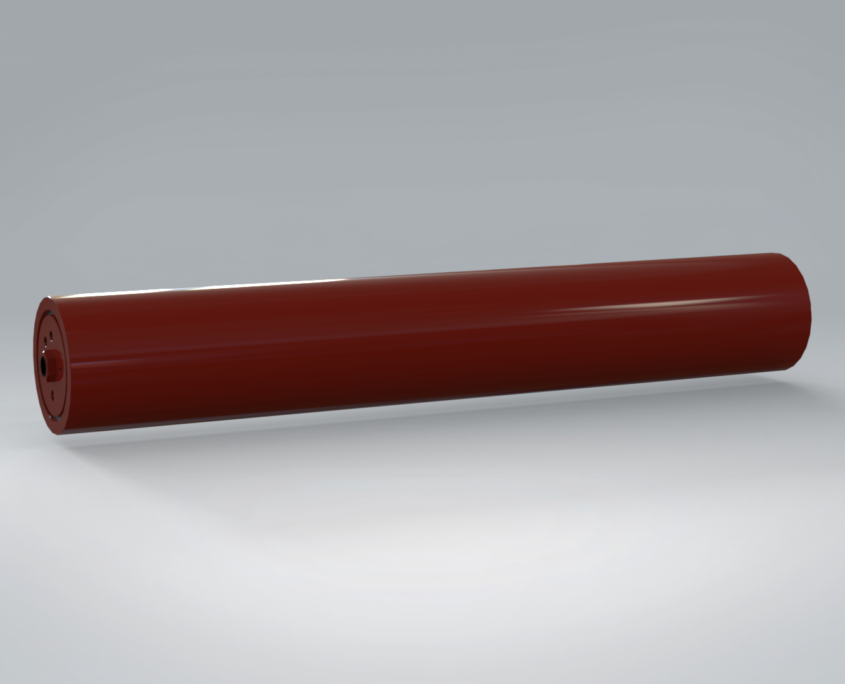
Pistolite

A Pistolite is a piston type accumulator. Its main features are a solid, lightweight piston, with close coupled seals and duel Graphite filled bearing strips for low friction. Various seal elastomers can be used depending on the fluid or gas it is exposed to.

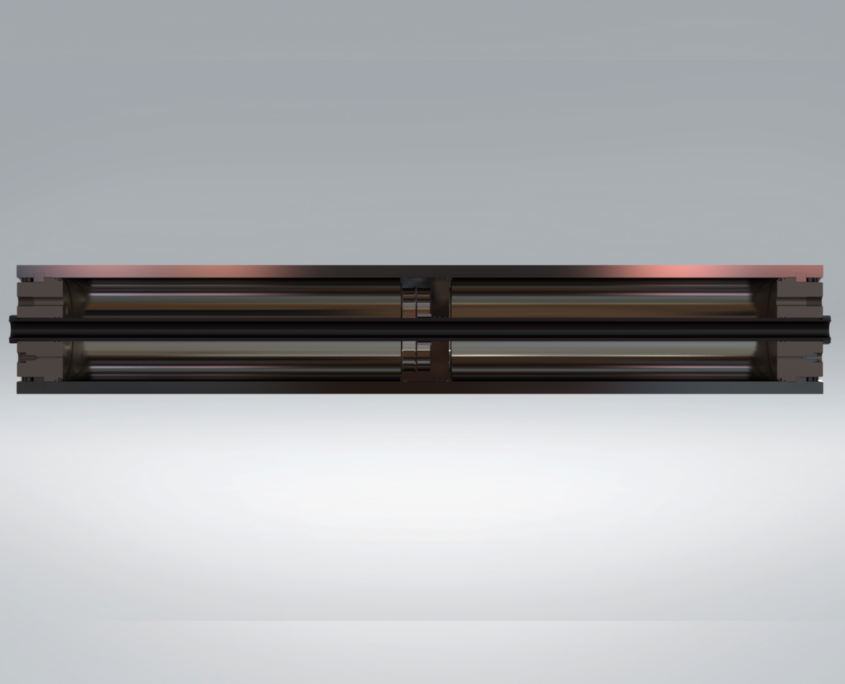
Indacc

Indicating Accumulator with a tell-tale rod for indication of piston placement/volume. Solid Light-Weight Piston, Close-Coupled Seals, Dual Graphite-Filled Bearing Strips for Low Stiction, Various Seal Elastomers, Zero Leakage when Shut Down, Super-Fast RLocking, Flow-Thru Port Facility.

Magdacc

Magnetic switching Accumulator with magnets and limit switches for automated pump delivery.

Membrane Type Thermal Expansion Product Range

Thermal Expansion vessels provide a place for the liquid when the volume of the liquid in the system is increased by temperature, this is called Thermal Expansion.
Left unchecked thermal expansion can cause pipes to fracture valves and to fail if there is no extra space for the expanded liquid to go. Once the temperature has dropped and the liquid volume has reduced the unit will revert back to its normal state ready for the next cycle.

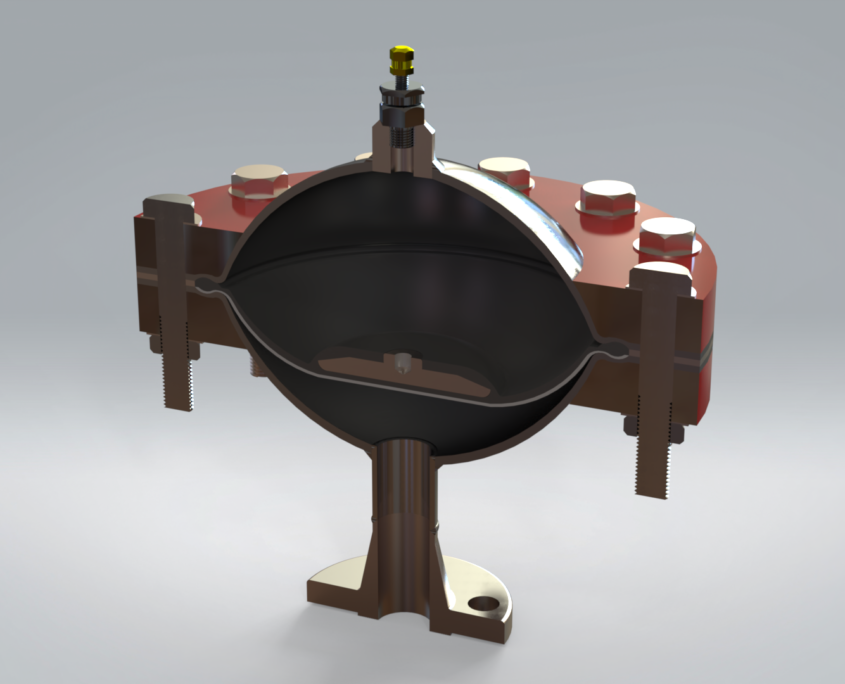
FlexOrber

Flexorber (high pressure) and ShockGuards (low pressure): The Largest chamber diameter to port hole ratio (best high frequency pulse interception with flow velocity smoothing). Both types of damper work in the same way but are manufactured differently.

What is Thermal Expansion ?

It is natural for materials to expand in the heat and contract in the cold, and pipes are not immune to nature’s laws. As the temperature increases so does the pressure, which can push the system beyond its designed limits. Thermal expansion and contraction of pipework is one of the largest dynamic forces acting upon piped applications and over time causes fatigue in the system.

Because piping systems often carry hot fluids, thermal expansion and the associated stresses must be carefully considered to avoid problems. The forces created by the thermal expansion can be large enough to cause pipe fracturing, bowing, and buckling, damage to pumps, valves, clamp & fixings. System failures can result in loss of product with serious risks to people and equipment.

What is a Thermal Expansion Vessel and why is it necessary ?

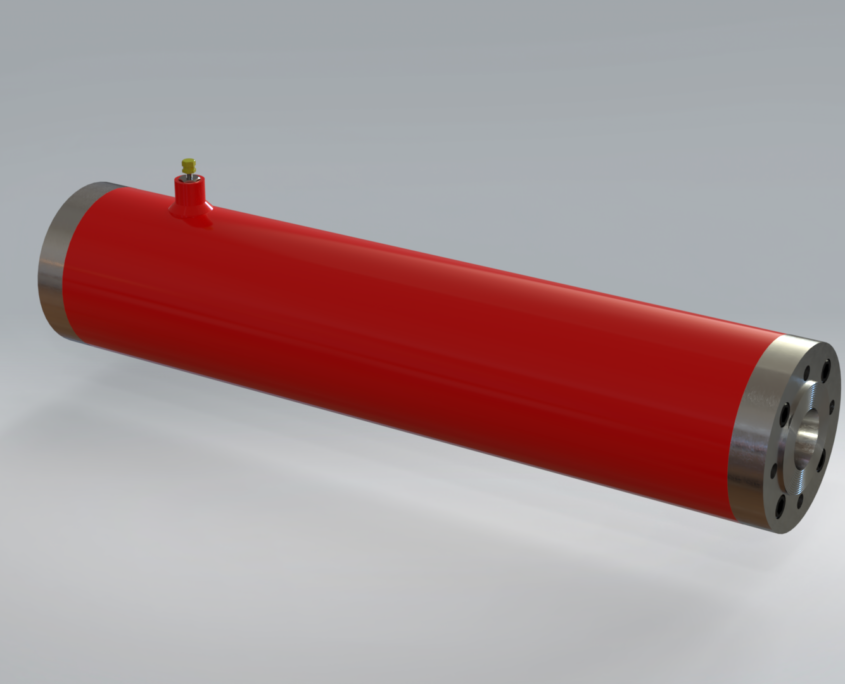
An expansion vessel is a pressurised vessel that incorporates a bladder or diaphragm in its design and is installed in unvented liquid or gas pressurised systems. These are also referred to by some manufacturers as Expansion Tanks or Pressure Vessels. It consists of a fabricated pressure vessel, system connection, charging valve and a membrane (diaphragm or bladder). What do they do? The expansion vessel accommodates any increases in product volume which occurs when the temperature increases during production, keeping the pressure of the system stable by absorbing the extra volume. This helps maintain a constant pressure which can also aid a reduction in energy consumption. Why is this important? Within a pressurised heating or cooling system, it is important to maintain the pressure within the required safe limits, therefore reducing the risk of excess pressure or to maintain a minimum pressure to reduce the risk of vacuum or cavitation in the system. It is also important to prevent negative pressure at high points to reduce the potential for air pockets or to compensate for variations in volumes due to temperature fluctuations.

Call Us:

+44 (0)161 480 9625

Email Us:

info@ldi.co.uk

Our History